
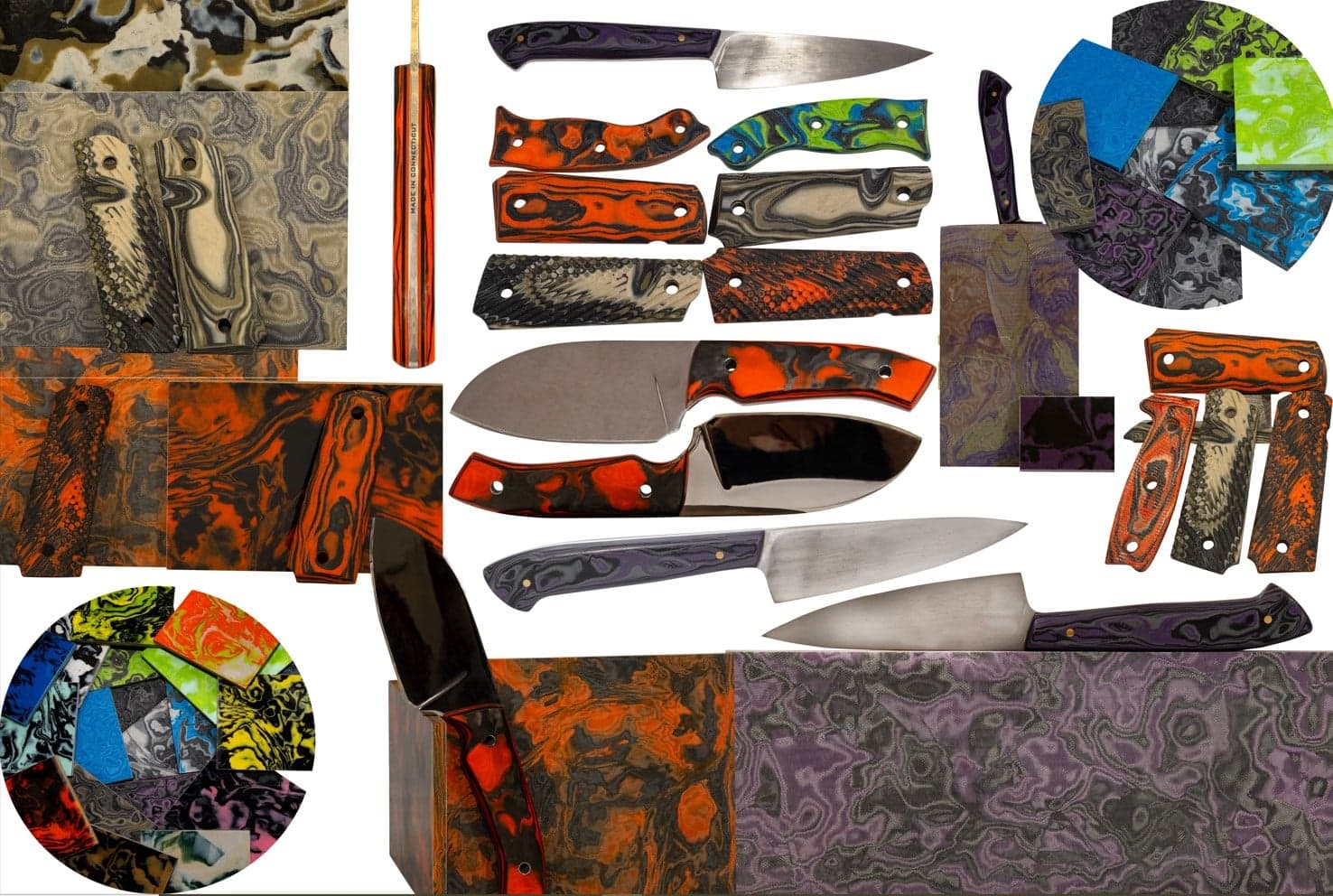
Introduction to Knife and Weapon Handle Materials
Knife and weapon handles have to be tough, stable, grippy and good-looking at the same time, and composite laminates do all four better than most natural materials. Laminated sheet started out as electrical insulation, but its strength, low moisture absorption and range of colors and textures made it one of the most important materials in the knife handle industry.
Current, Inc. has made these laminates in the USA since 1962, and our material is used by hobbyists and by some of the biggest names in the handle industry. This article covers the main handle materials, how they compare and what we can make.
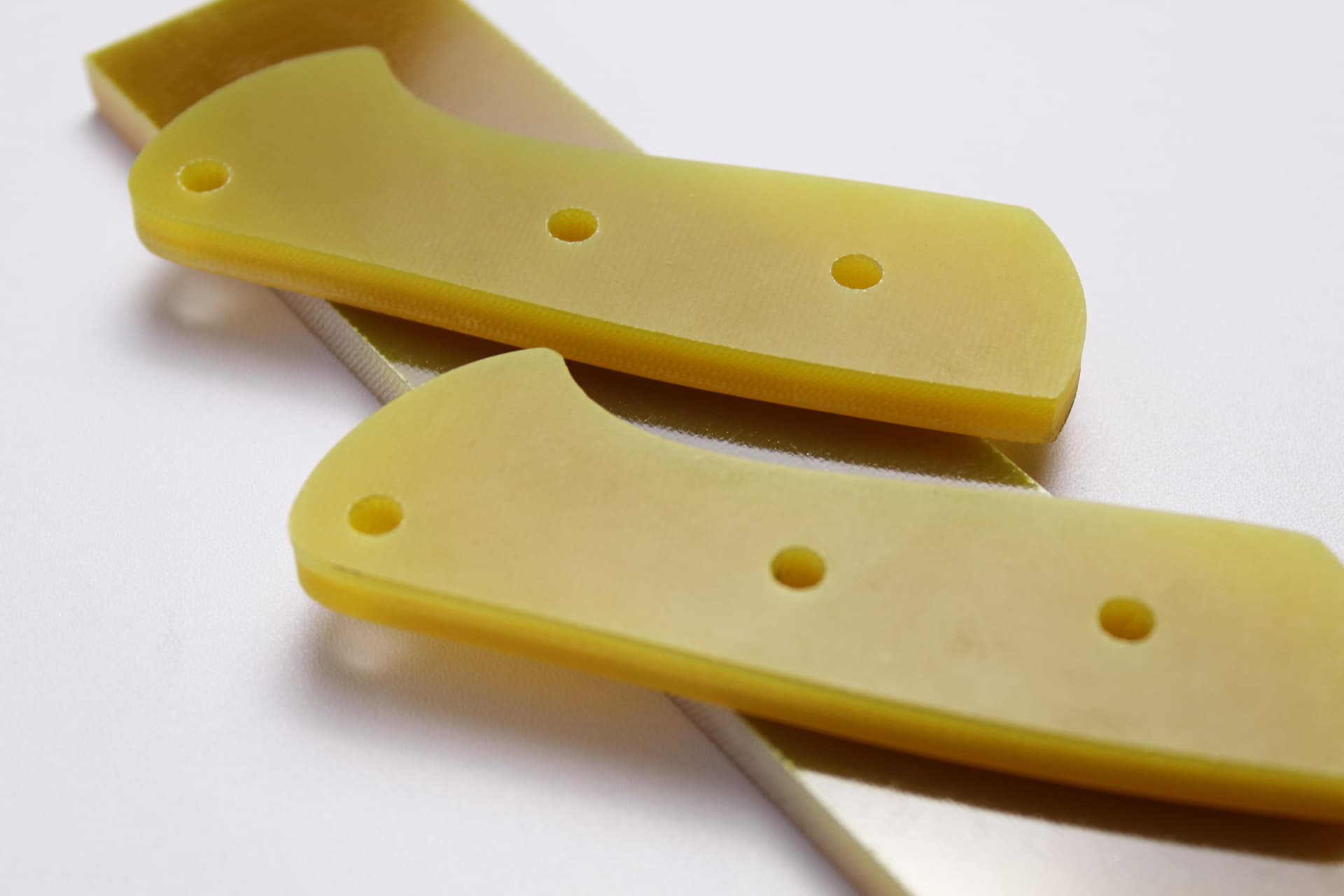
G11/FR5
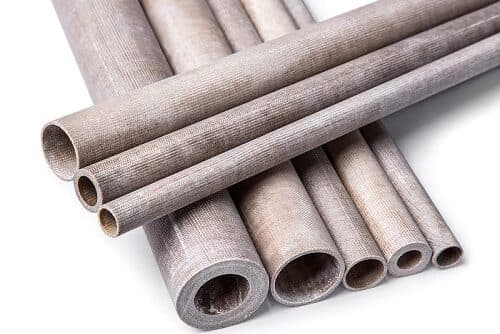
LG5/G9
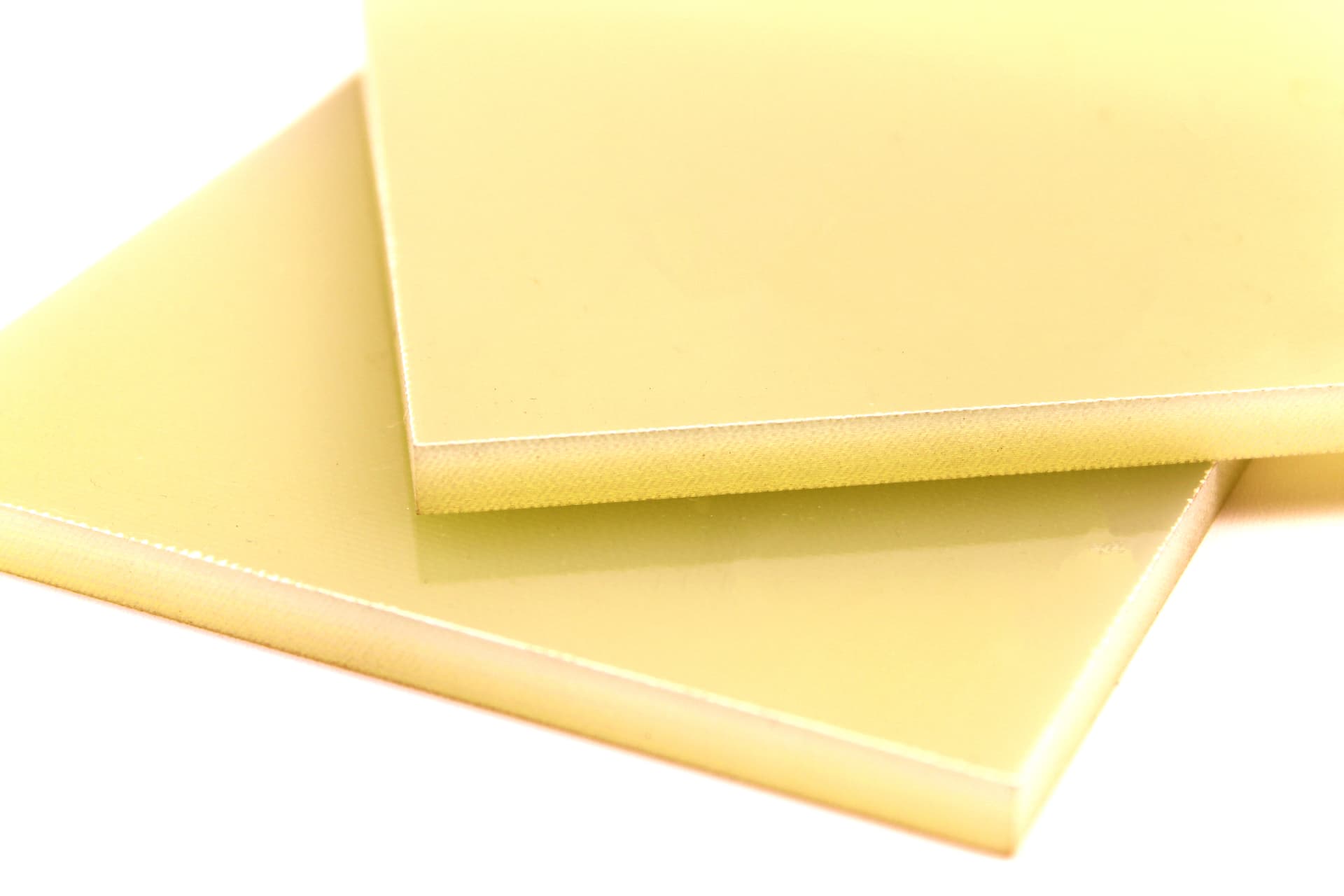
Non-Brominated G10
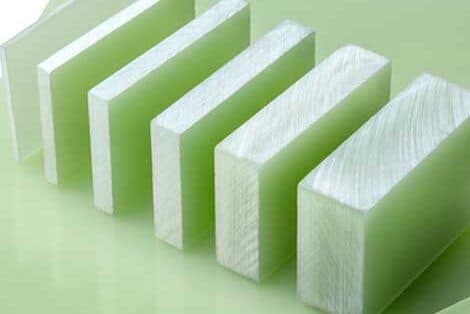
G10/FR4
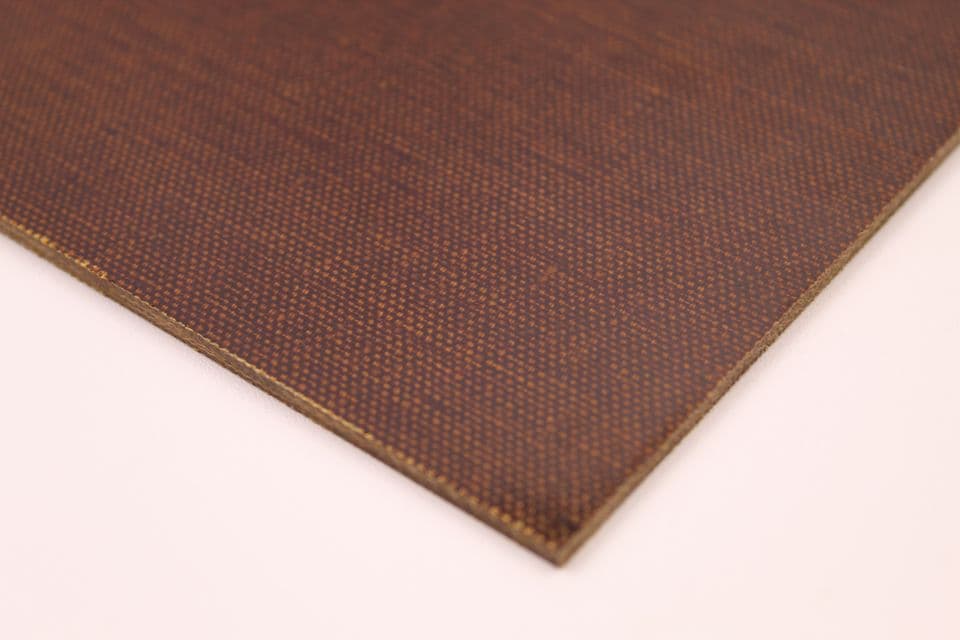
Canvas (C/CE)
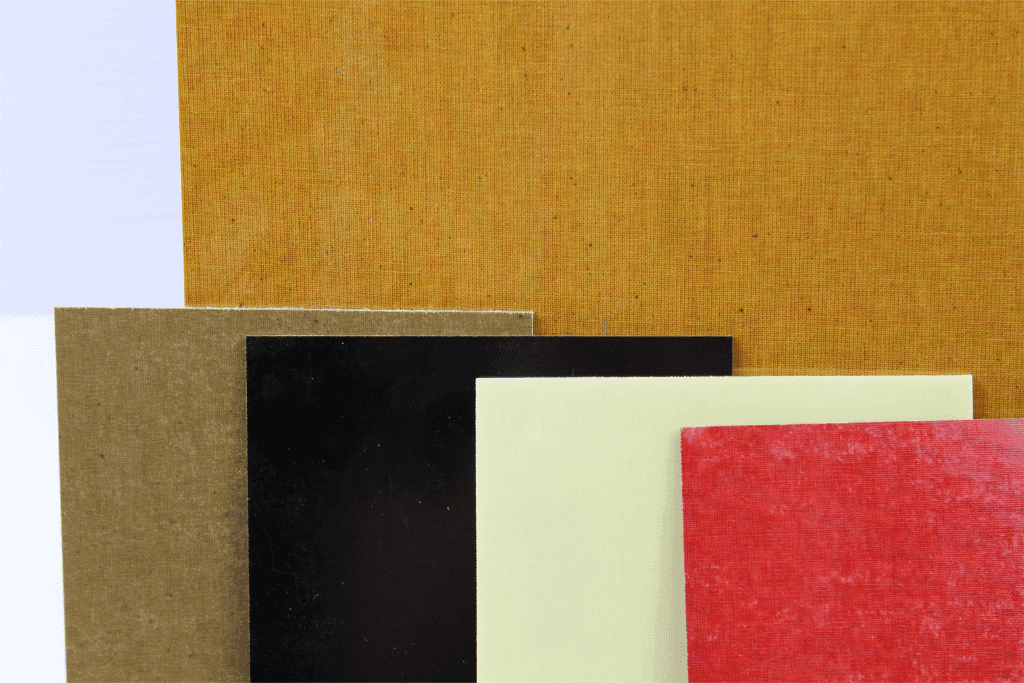
Linen (L/LE)
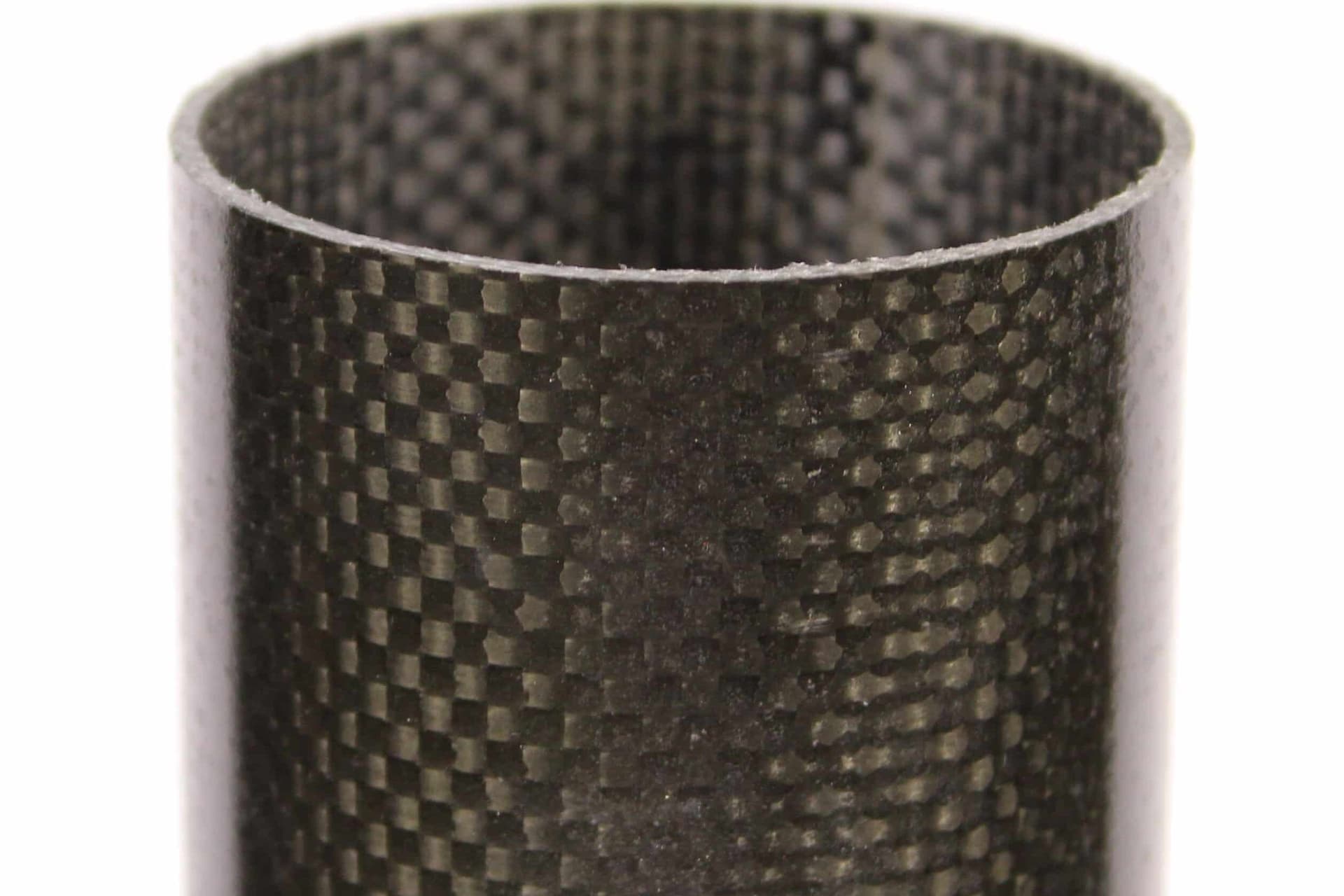
Carbon Fiber
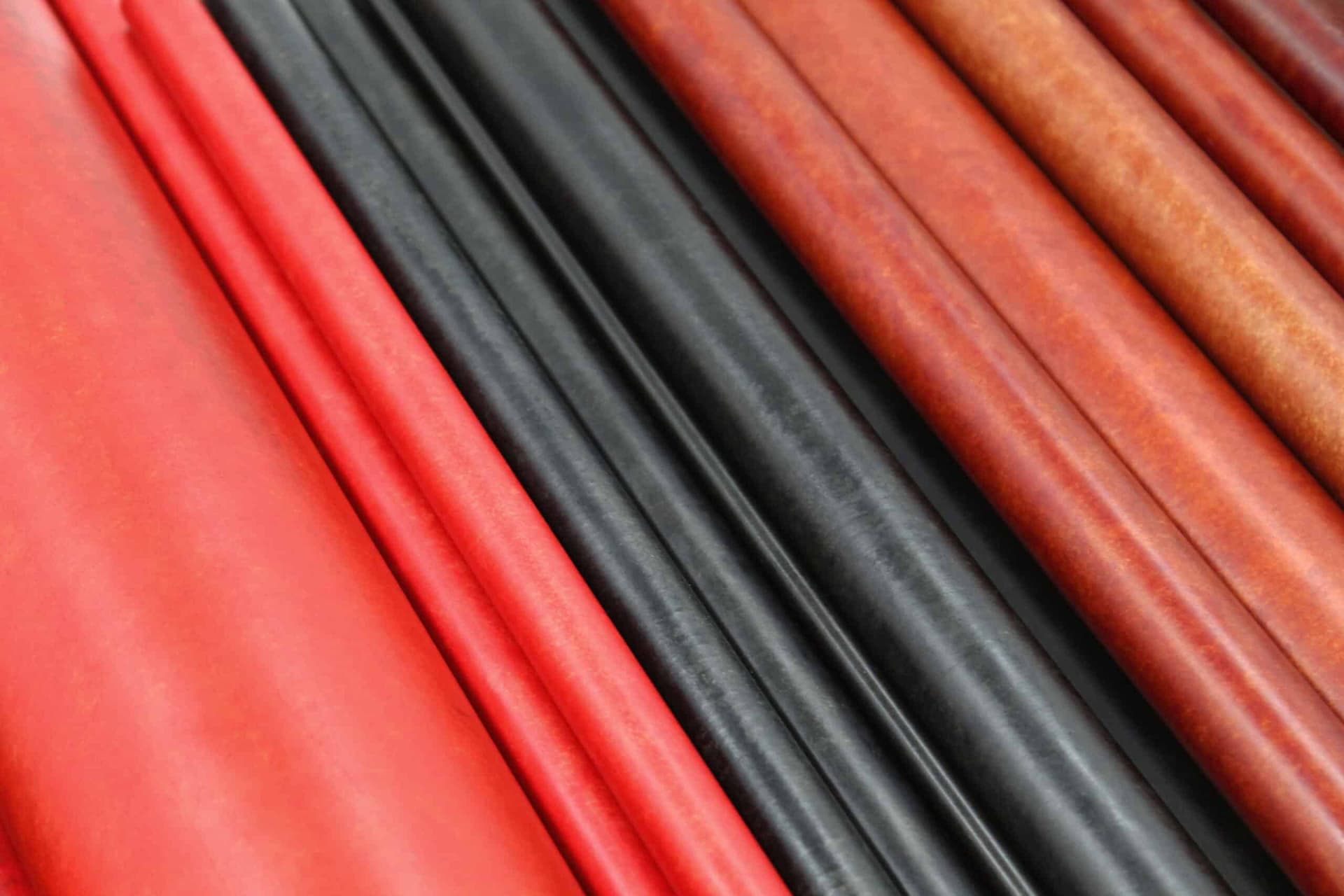
Paper (X/XX/XXX)
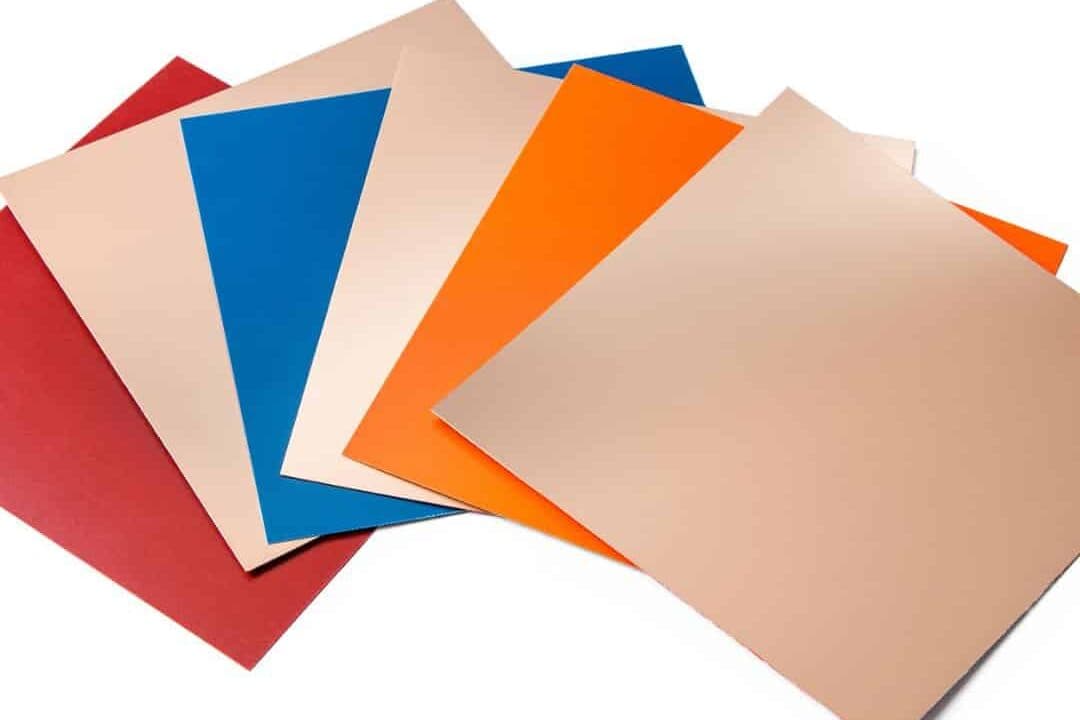
Copper Clad
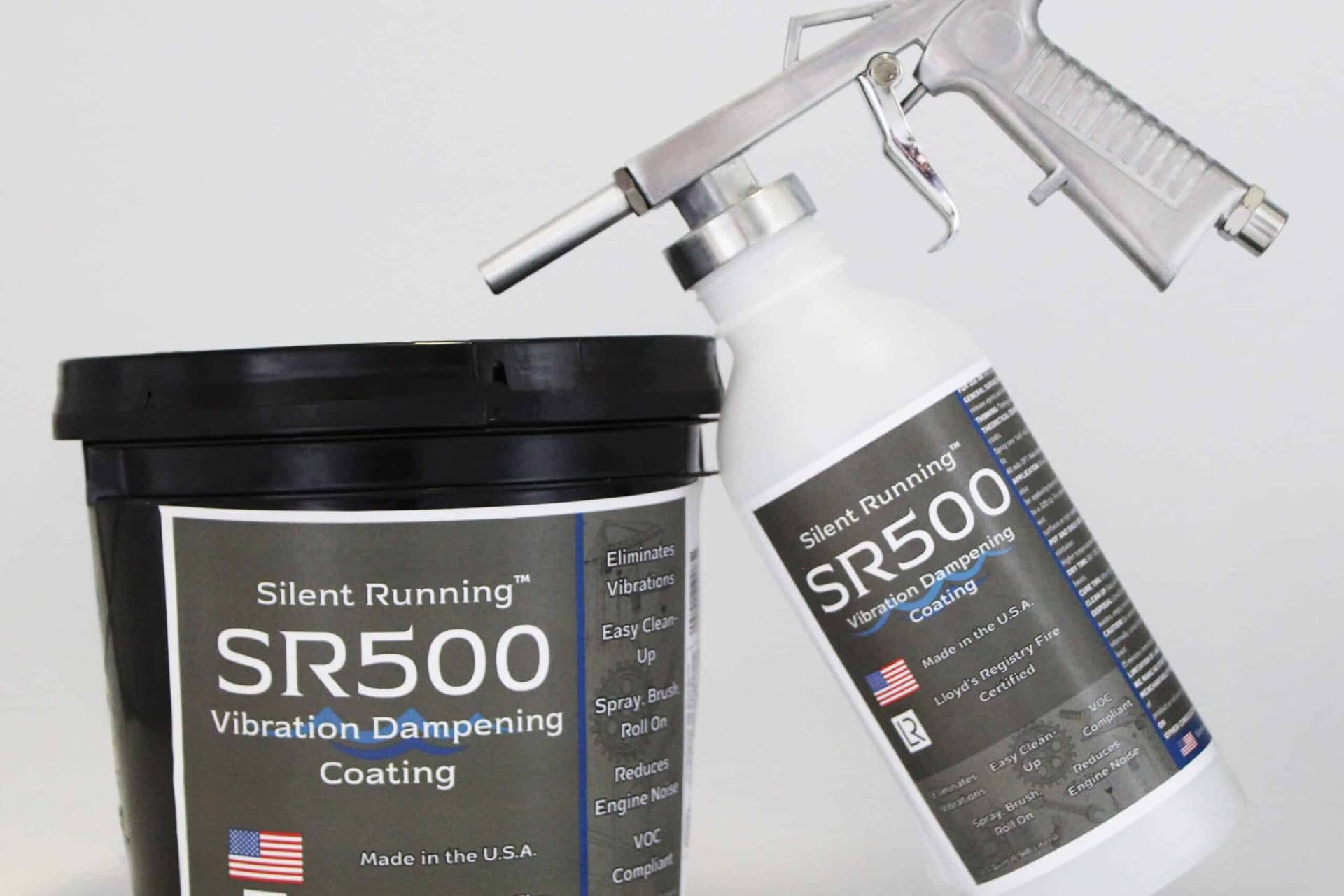
Silent Running™ Vibration Dampening
The Materials Used in Handle Making
Almost every composite handle is one of four materials. What changes between them is the reinforcement and the resin that binds it:
- G-10 / FR-4: woven glass cloth and epoxy. The strongest and most moisture-resistant, in the widest range of colors.
- Micarta® (canvas, linen and paper phenolic): cotton canvas, fine linen or paper with phenolic resin. The pioneer handle material, with a warm, grippy feel.
- Liberty Wood®: birch veneer impregnated with phenolic resin and compressed, so it looks like wood but shrugs off water.
- Carbon fiber: the lightest and stiffest, with a distinctive weave.
Knife Handle Micarta: Canvas, Linen and Paper
Phenolic canvas, linen, paper and burlap are the pioneer materials of knife handles, and they are what most makers mean by Micarta. Our phenolic handle material comes from decades of consistent production:
- Canvas phenolic (C/CE) has a coarser weave that shows as a textured pattern on a finished handle, and it is the toughest of the phenolics in impact.
- Linen phenolic (L/LE) uses a finer weave, so it machines to crisper detail and a smoother finish.
- Paper phenolic gives a dense, even surface and is often used for liners and layered patterns.
Canvas and linen Micarta get grippier when wet, which is why many makers prefer them for field and kitchen knives.
G10 Knife Handle Material
While phenolics are our bread and butter, G10/FR4 gets the most attention. Our knife material is hand-laid with quality glass fiber and epoxy resin to produce a wear-resistant, comfortable handle. Per NEMA it is roughly three times as strong in bending as canvas or linen phenolic and absorbs a fraction of the water, which is why G10 dominates hard-use and outdoor knives.
Most "G-10" handle material sold today is FR-4 (MIL-I-24768/27). It is just as strong as plain G-10 (MIL-I-24768/2) and more cost effective, and it comes in far more colors: plain G-10 is only available in its natural green. For the full comparison, read G-10 vs Micarta.
G10 vs canvas and linen Micarta at a glance
NEMA minimums and maximums on 0.500-inch sheet, the same figures as our properties comparison:
| Property | G-10 / FR-4 | Canvas CE | Linen LE |
|---|---|---|---|
| Flexural strength, lengthwise (min.) | 45,000 psi | 15,500 psi | 15,000 psi |
| Izod impact, lengthwise (min.) | 7.0 ft-lb/in | 1.60 ft-lb/in | 1.25 ft-lb/in |
| Water absorption (max.) | 0.10% | 0.75% | 0.70% |
| Feel in the hand | Hard, slick unless textured | Warm, textured, grippy wet | Warm, smooth, fine detail |
In practice: choose G10 for hard-use, tactical and outdoor knives; canvas Micarta for a rugged, traditional grip; linen Micarta when you want fine detail and a smooth finish.
Colors, Layers and Patterns
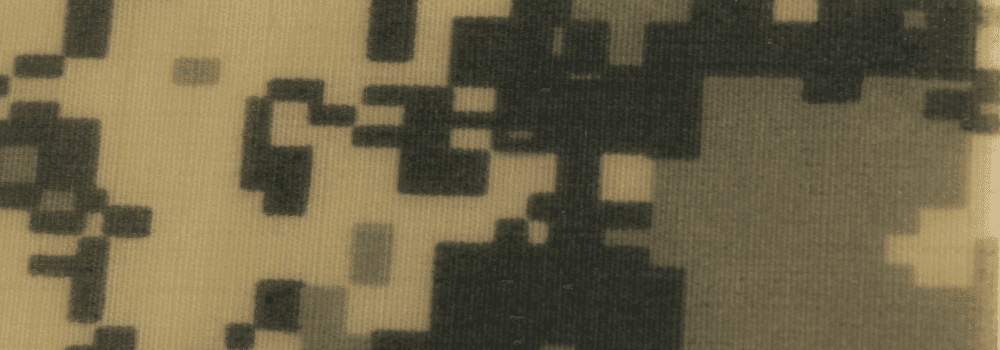
We offer more than 20 colors of G10/FR4, from camo and tactical greens to vibrant colors for collectors' pieces, plus layered patterns and colored liners. We will work with you to build a custom layer or color pattern; special patterns and colors depend on raw material inventory.
G10/FR4 Knife Handle Material Colors Available




















From Knife Scales to Gun Grips
The same materials serve knife scales, which need precise control and comfort, and gun grips, which have to withstand recoil and give a secure hold. G-10 and carbon fiber suit hard-use grips; Micarta and Liberty Wood suit a more traditional look.
Sanding, Texture and Cut to Size
Our options do not stop at the end of the production line. We can sand your material, add an exterior texture, or cut it to size for whatever dimensions your product calls for. Sheet is available up to 3.00″ thick; for thicker blocks, email us your dimensions. If you machine your own scales, our guide to machining G-10 covers tooling and dust control.

Ordering Handle Material
Our sales team for OEMs and sporting goods is here to help. Tell us the material, color, thickness and quantity; our guide on how to order custom G-10 for tool handles covers the details. Then reach out to Current Composites by email, phone or the form below, or find us on social media, and we will help you find the right knife handle material for your grip.
Knife Handle Material FAQs
Is FR4 as good as G-10 for knife handles?
Yes. FR4 (MIL-I-24768/27) is just as strong as G-10 (MIL-I-24768/2), costs less, and comes in many more colors and patterns. Plain G-10 is only made in natural green.
What is the best knife handle material?
It depends on the knife. G10 is the toughest and most water resistant, so it suits hard-use and outdoor knives. Canvas and linen Micarta give a warmer, grippier feel and a traditional look. Liberty Wood looks like wood but resists water and warping, and carbon fiber is the lightest.
Can I machine G10 and Micarta with woodworking tools?
Yes, with care. Both cut on band saws, belt sanders and drill presses, but glass-filled G10 dulls steel quickly, so carbide or diamond tooling lasts much longer. Always use dust extraction and a respirator: the dust from both materials should not be breathed.
What thicknesses are available for handle scales?
We press sheet up to 3.00″ thick and can sand to thickness and cut to size. For anything thicker, email us your dimensions.