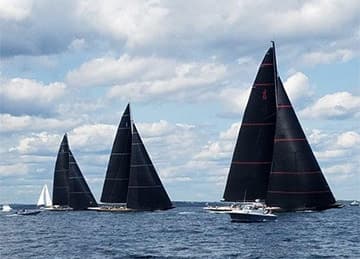
Introduction: Composites on the Water
Boats are hard on materials. Salt water corrodes metal, wood swells and rots, and everything on board takes vibration, UV and constant wetting. That is why boat builders increasingly turn to composites and laminates for parts that used to be metal or timber. This article covers where Current's laminated sheets, rods and tubes go on a boat, and why. For the full product list, see our marine composites page.
Laminated Sheets, Rods and Tubing
Current manufactures laminated sheets, rods and tubing by layering a reinforcement (glass cloth, cotton, paper, wood veneer or carbon fiber) with a resin and bonding it under controlled heat and pressure. The result does not rust, holds its shape when wet and can be machined like a metal.
Resin and Reinforcement
The choice of resin and reinforcement decides how a laminate performs at sea. We use phenolic, epoxy and melamine resins, chosen for water resistance, strength and thermal stability.
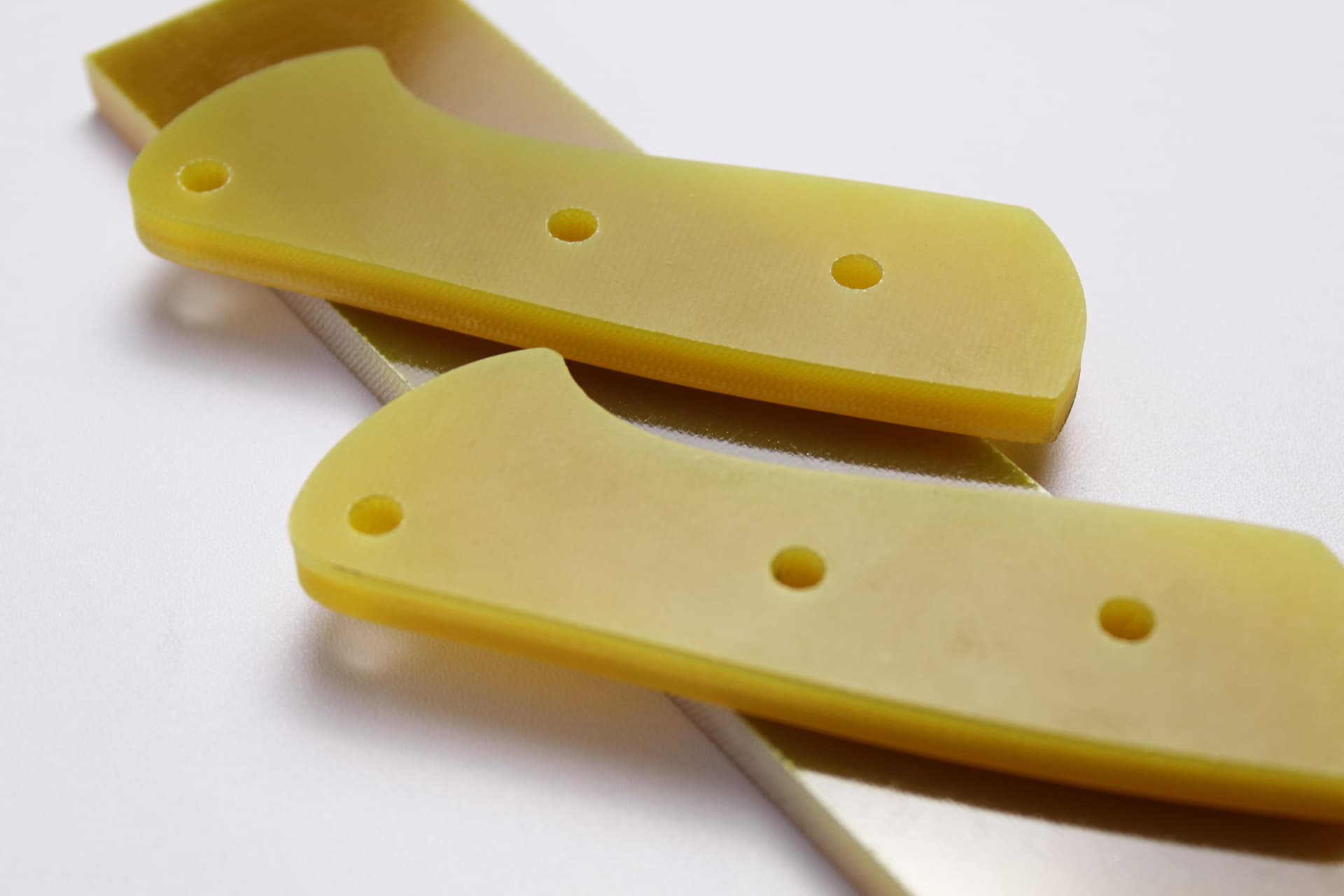
G11/FR5
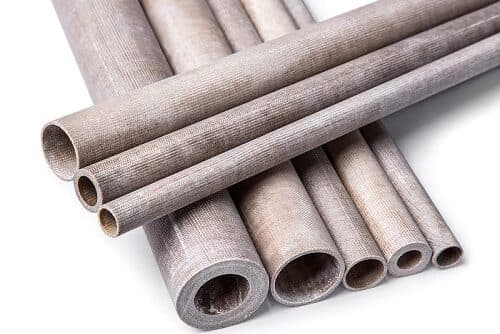
LG5/G9
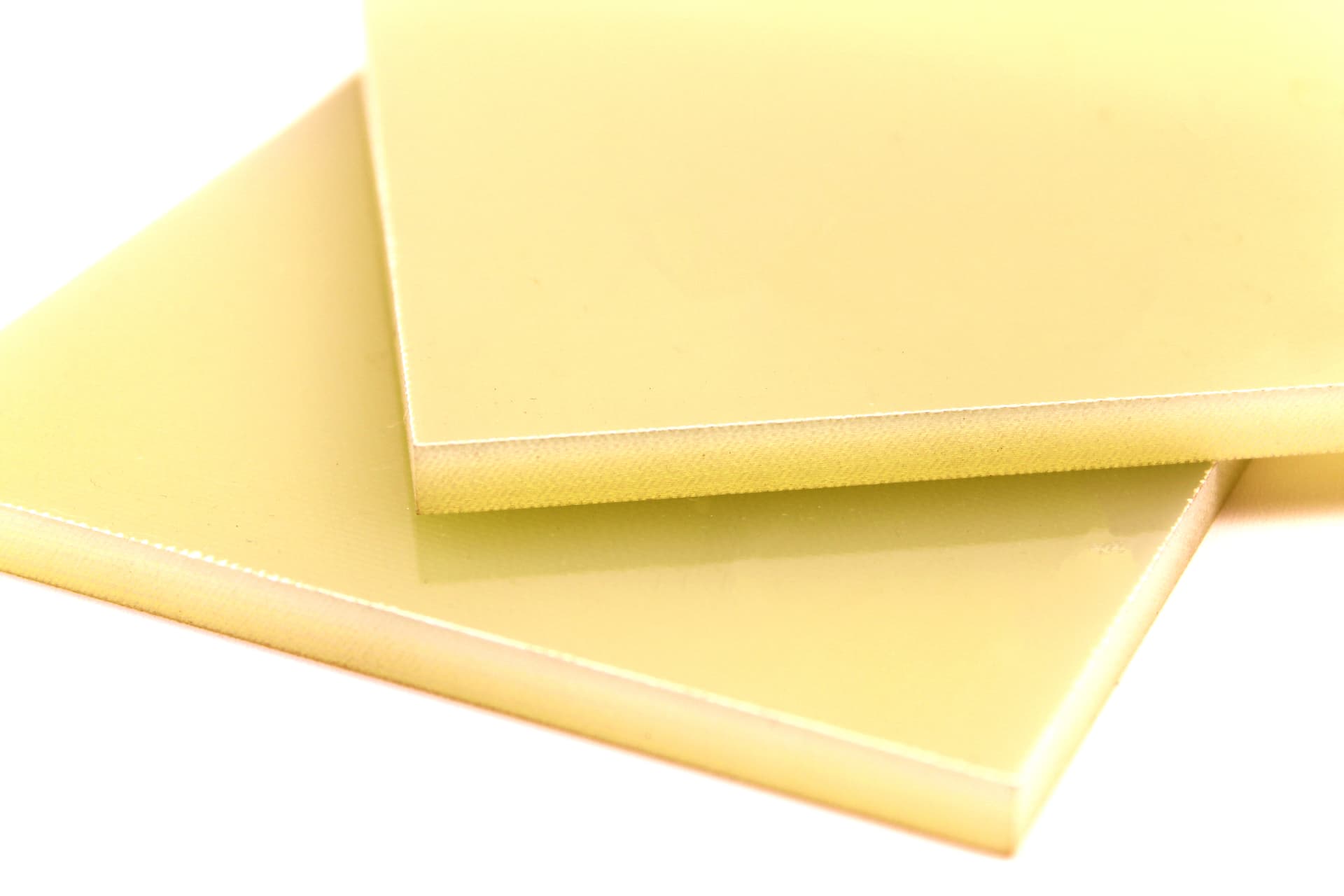
Non-Brominated G10
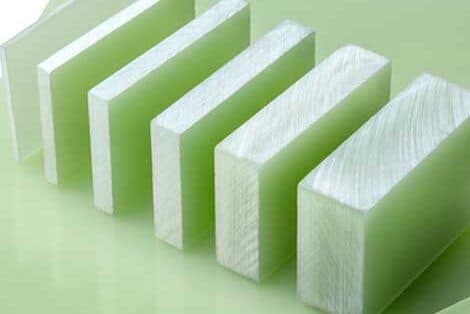
G10/FR4
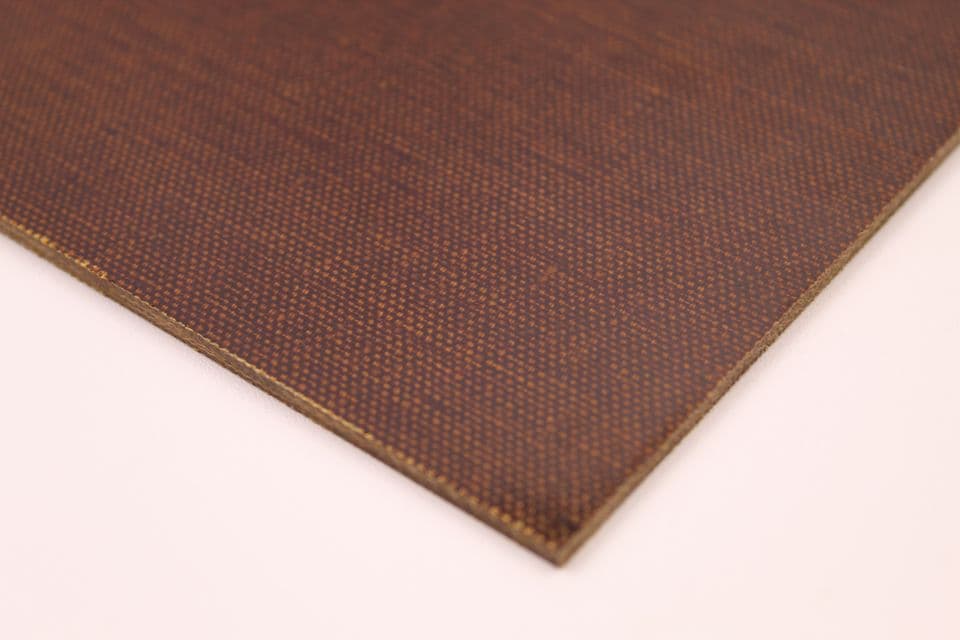
Canvas (C/CE)
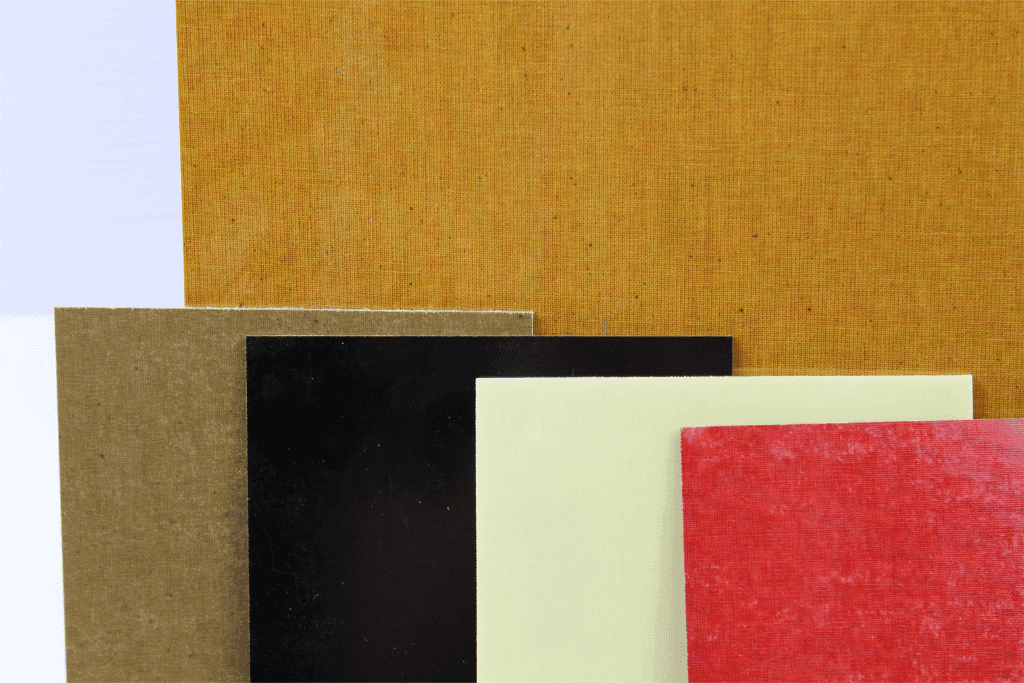
Linen (L/LE)
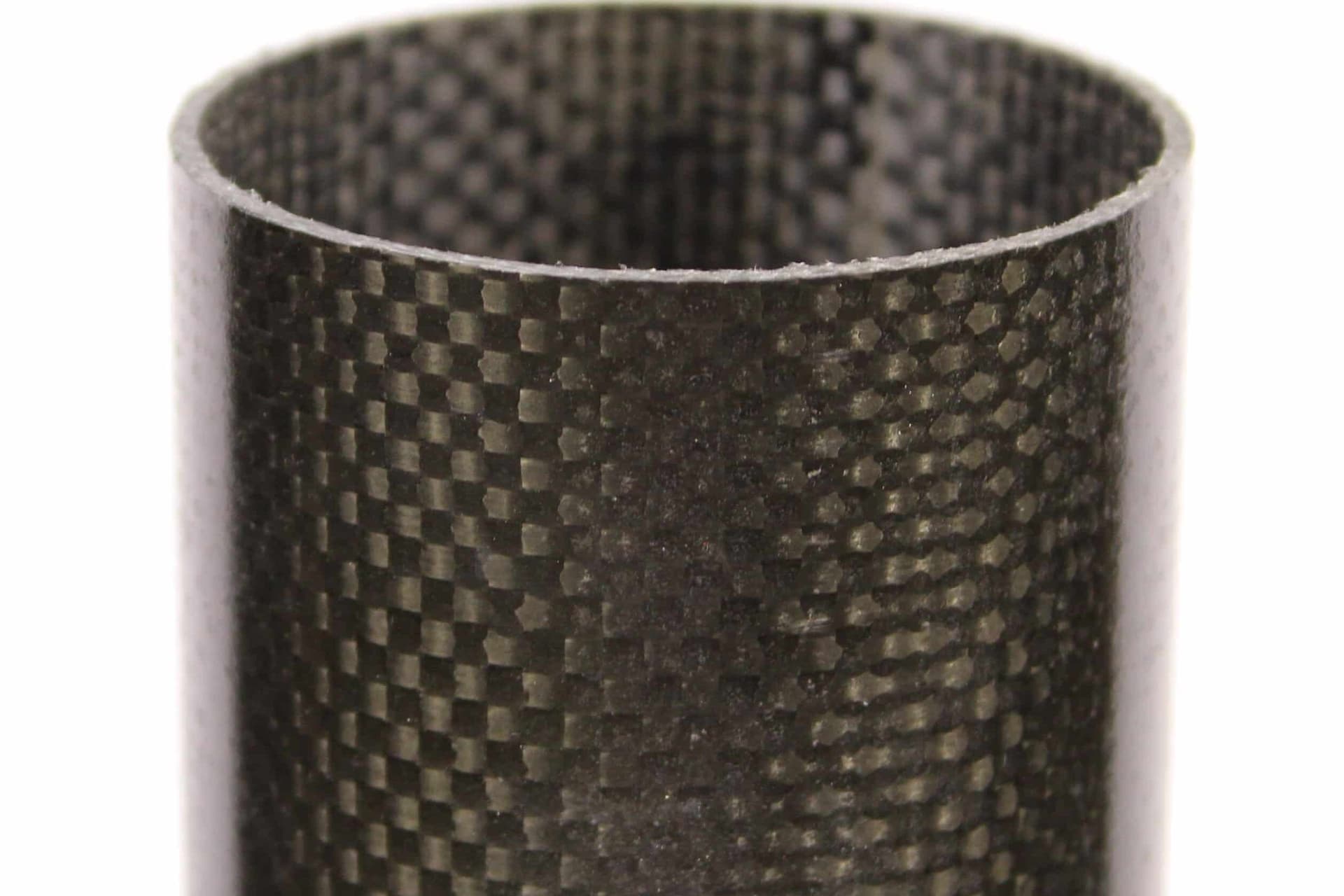
Carbon Fiber
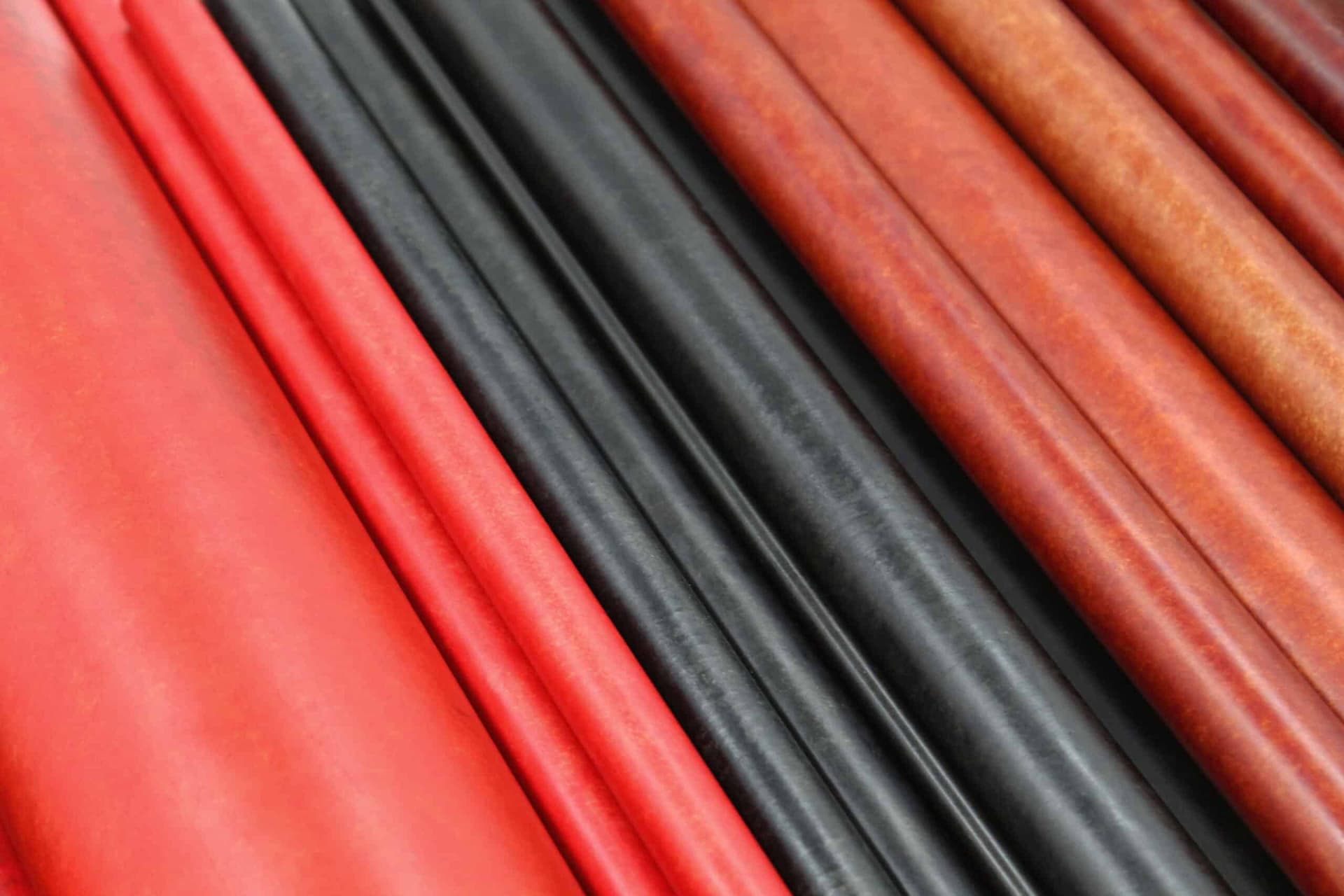
Paper (X/XX/XXX)
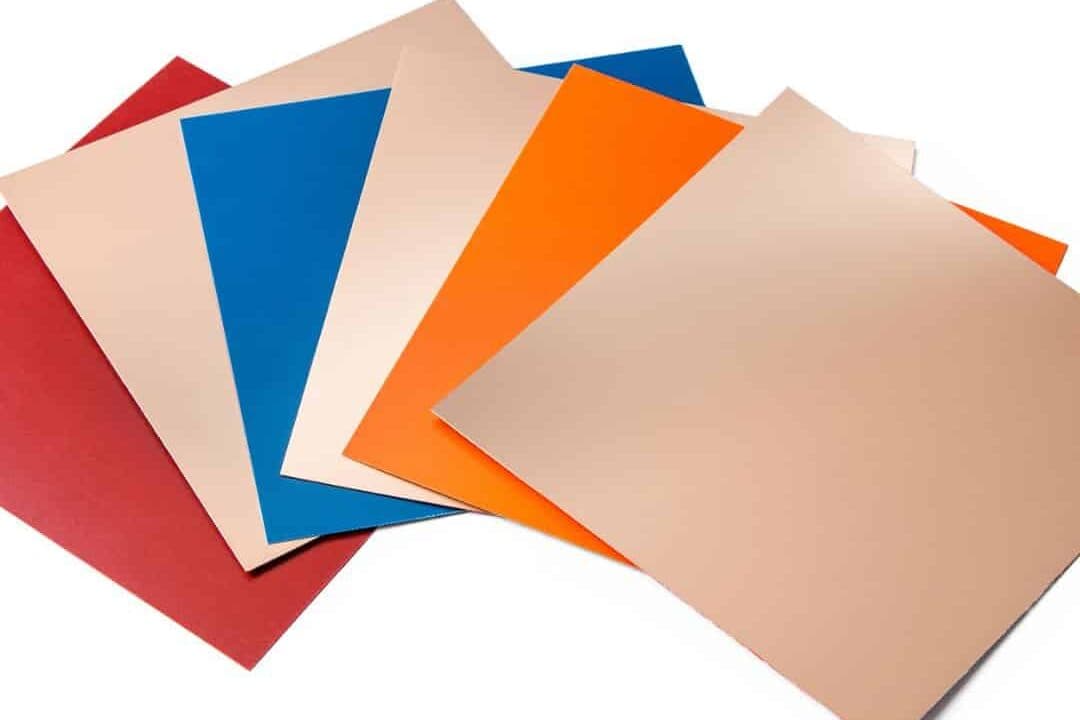
Copper Clad
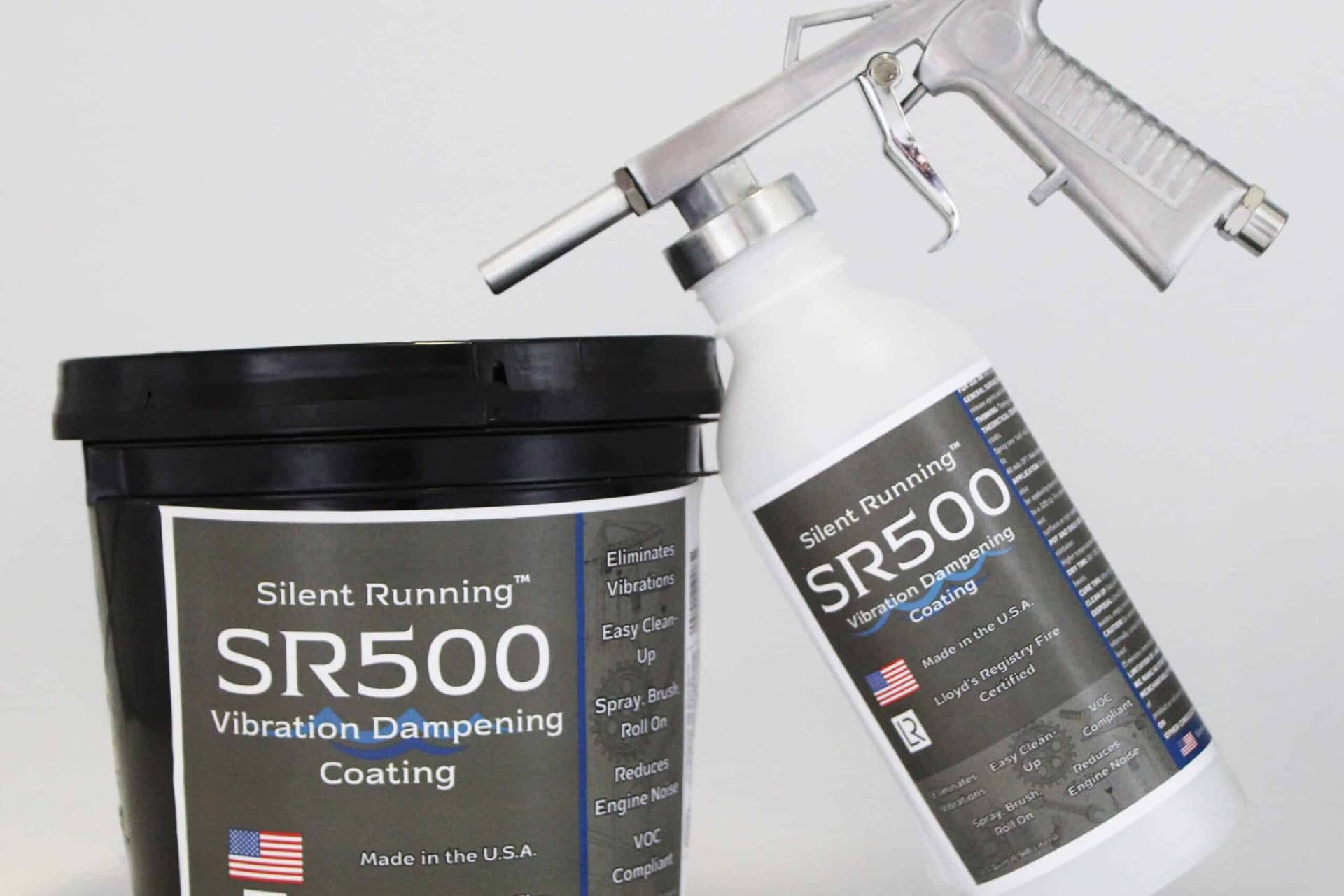
Silent Running™ Vibration Dampening
Why Laminates Work in Salt Water
Thermoset laminates cannot corrode, and the good grades absorb very little water. Per NEMA, on 0.500-inch sheet:
| Grade | Max. water absorption | Typical use on a boat |
|---|---|---|
| G-10 / FR-4 (glass-epoxy) | 0.10% | Backing plates, brackets, insulators |
| LE (linen phenolic) | 0.70% | Fine machined parts, bushings |
| CE (canvas phenolic) | 0.75% | Tough wear parts, bearings |
For comparison, Liberty Wood® moves less than a tenth as much as normal hardwood when humidity changes. The properties comparison lists every grade.
Which Laminate Goes Where on a Boat
Glass-epoxy: G-10 and FR-4
G-10/FR-4 combines high strength with very low water absorption and good electrical insulation. On boats it is used for backing plates that spread the load of deck hardware, brackets and electrical insulators.
Glass-melamine: G-5 and G-9
G-5 and G-9 are arc resistant and self-extinguishing, which makes them suitable for power equipment in marine applications: circuit breakers, arc barriers, switchboard parts and insulator panels.
Cotton phenolic: canvas and linen
Canvas and linen phenolic machine cleanly into bushings, bearings, spacers and wear parts, and run quietly against metal.
Carbon fiber
Carbon fiber tubes and plate are used in marine hardware where a metal tube is too heavy or would corrode, and in racing and high-speed craft where weight is everything.
Liberty Wood
Liberty Wood is resin-impregnated wood that is highly resistant to water, with a large selection of natural wood colors for the interior and exterior of a boat.
Panel face sheets
We make the laminate face sheets for structural sandwich panels used in marine interiors.
Fabrication and Machining
Most marine parts are not stock shapes. Our custom fabrication shop cuts, routes, turns, drills and taps laminates to your drawing, from one prototype to production runs, and can modify standard sheets, rods and tubes to fit an existing system.
What to tell us about a marine part
- Where it lives: below the waterline, in the bilge, on deck, or in a dry cabin or electrical space.
- What it has to do: carry a load, insulate, resist arcing, take wear, or simply look good.
- What it replaces, and why the old part failed (corrosion, swelling, wear, cracking).
- Dimensions and tolerances, or the old part itself, and the quantity you need.
With that, we can recommend a grade and a form (sheet, rod, tube or a finished part) and quote it.
Marine Composites FAQs
Is G-10 good for marine use?
Yes. G-10/FR-4 absorbs at most 0.10% water per NEMA, does not corrode and keeps its strength when wet, so it is widely used for backing plates, brackets and insulators on boats. Like most epoxies it should be painted or kept out of long-term direct sunlight, because UV slowly degrades the surface.
Which laminate is best for marine electrical equipment?
G-5 and G-9 glass-melamine grades are arc resistant and self-extinguishing, which suits circuit breakers, arc barriers and switchboard parts. G-10/FR-4 is the choice for general insulation where arc resistance is not the main concern.
Can phenolic be used underwater?
Canvas and linen phenolic tolerate moisture well and are used for bushings and wear parts, but they absorb more water than glass-epoxy. For parts that stay submerged, glass-epoxy is usually the safer choice. Tell us the conditions and we will recommend a grade.
Do you make marine sandwich panels?
We make the laminate face sheets (skins) that go on sandwich panels, which can be textured for looks or adhesion to the core. We do not assemble the panels themselves.
Since 1962
Current has been a family-owned composites and laminates manufacturer since 1962, making everything in the USA. If you are replacing a corroded metal part or a swollen wooden one, send us the drawing or the part and we will recommend a grade and quote it.