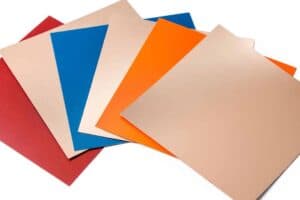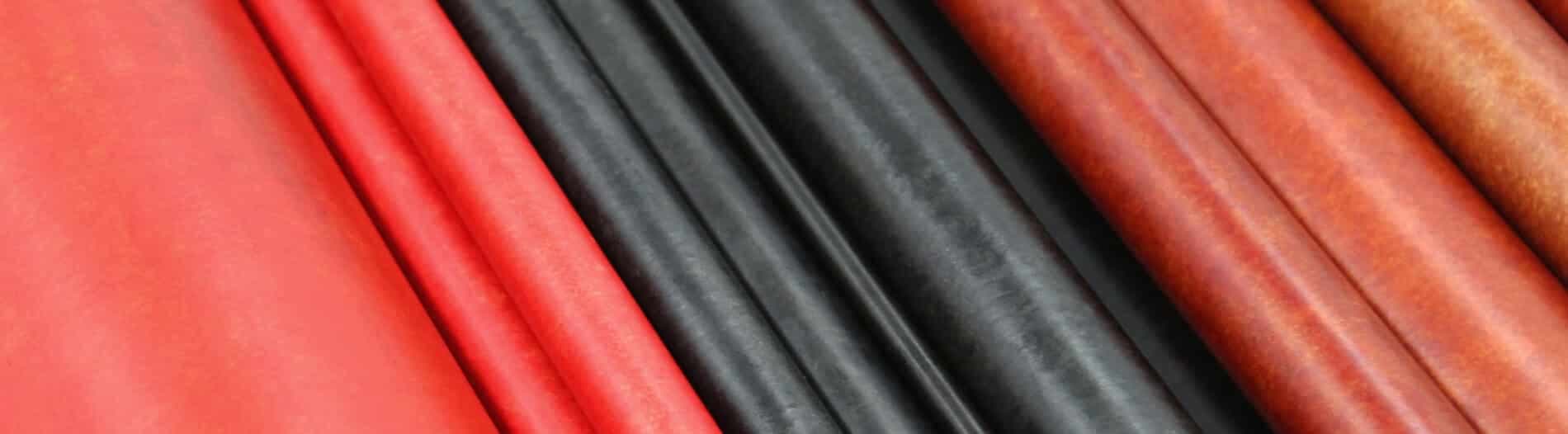
Paper (X/XX/XXX)
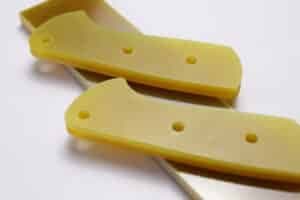
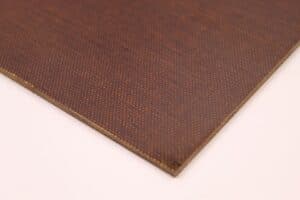
Phenolic Paper Grades are ideal for applications that prioritize electrical insulation and smooth machining. Composed of high-quality paper impregnated with phenolic resin, these grades offer excellent dielectric strength and low moisture absorption, making them well-suited for electrical and mechanical components. Their fine, consistent structure provides reliable performance, making them a preferred choice for applications requiring economical yet effective insulation and machinability.
Material Composition and Electrical Performance
Paper phenolic laminates in Grades X, XX, and XXX are engineered for applications that require stable electrical insulation and smooth machining behavior. Manufactured from high quality paper saturated with phenolic resin, these materials provide consistent dielectric strength and uniform internal structure. Their fine grain and predictable density make them suitable for components that must maintain electrical integrity while supporting precise fabrication.
Machining Behavior and Fabrication Advantages
Paper phenolics are known for their clean machining characteristics, allowing for accurate cuts, drilled features, and shaped profiles. The material’s homogenous structure minimizes tool wear and supports tight dimensional control during fabrication. This makes X, XX, and XXX grades suitable for components such as insulating plates, terminal boards, coil forms, and precision electrical barriers. Their smooth finish after machining also supports applications where surface quality contributes to performance.
Functional Roles Across Electrical and Mechanical Systems
These laminates are used in environments where electrical insulation, arc resistance, and stable dielectric behavior are required. Typical uses include:
- Electrical insulating panels
- Switchgear components
- Transformer and coil supports
- Spacers and barriers in power distribution equipment
- Low load mechanical structures requiring lightweight materials
XXX grade is often selected for the most demanding insulation requirements, while X and XX grades support a wide range of general purpose electrical and mechanical applications.
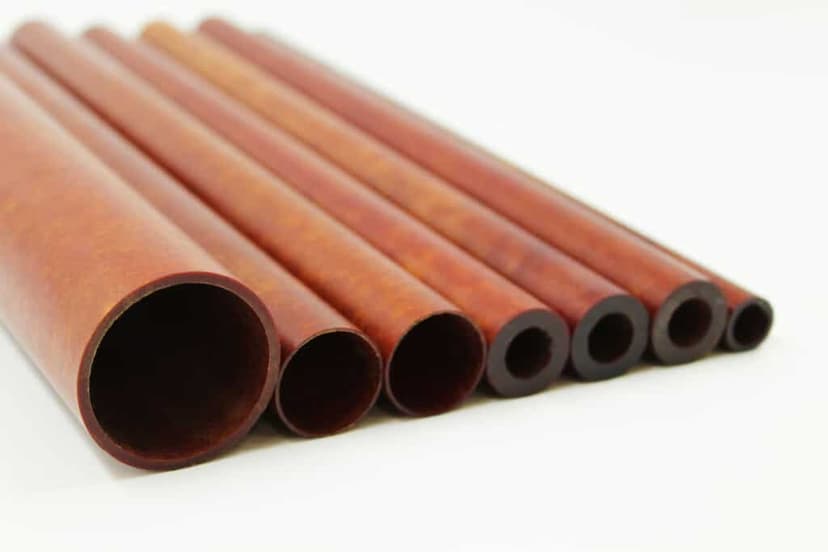
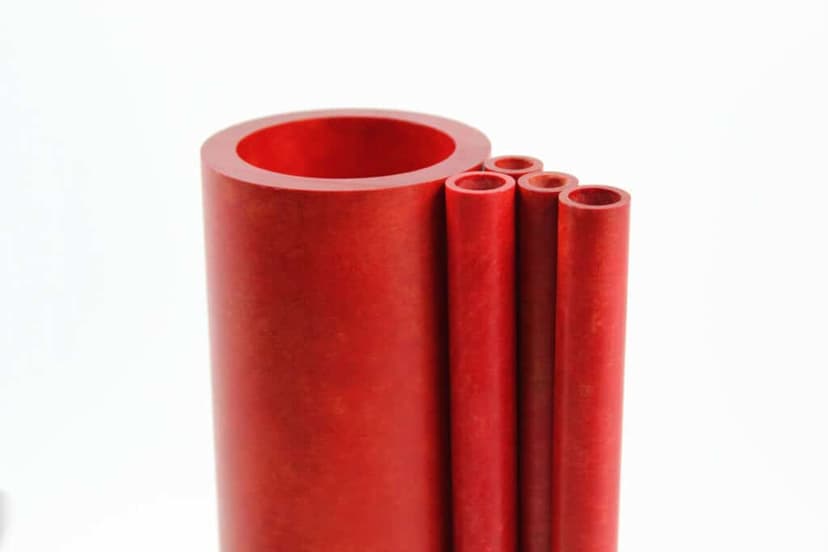
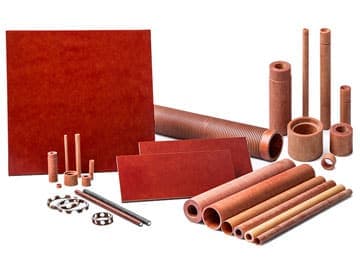
X, XX and XXX Grade.
What’s the difference?
X Grade: General-purpose paper phenolic, offering good mechanical strength and electrical insulation. Ideal for applications with moderate electrical needs.
XX Grade: Enhanced electrical insulation and machining properties. Suitable for applications requiring reliable dielectric performance with more precise fabrication needs.
XXX Grade: Highest dielectric strength and the finest machinability among paper phenolics. Preferred in applications with demanding electrical insulation requirements.
Dimensions:
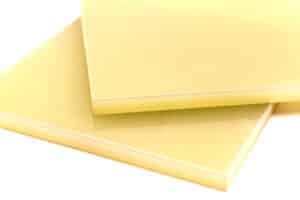
Sheet:
48″x96″
Cut to size available
Saw Kerf – 0.250″
Thickness:
0.015″- 3.000″
(Additional thicknesses available upon request)
Sanding:
1 or 2 side sanding with tolerance of +/-0.005″
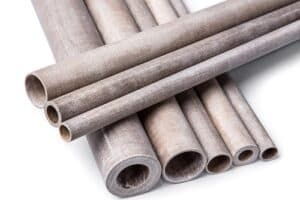
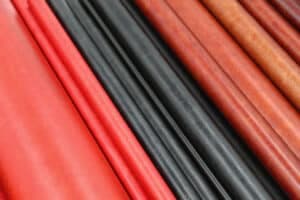
Tube:
ID: 0.187″ – 4.000″
OD: 0.250″-5.000″
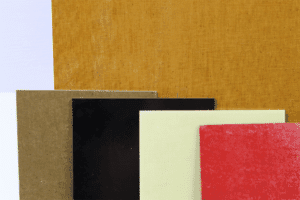
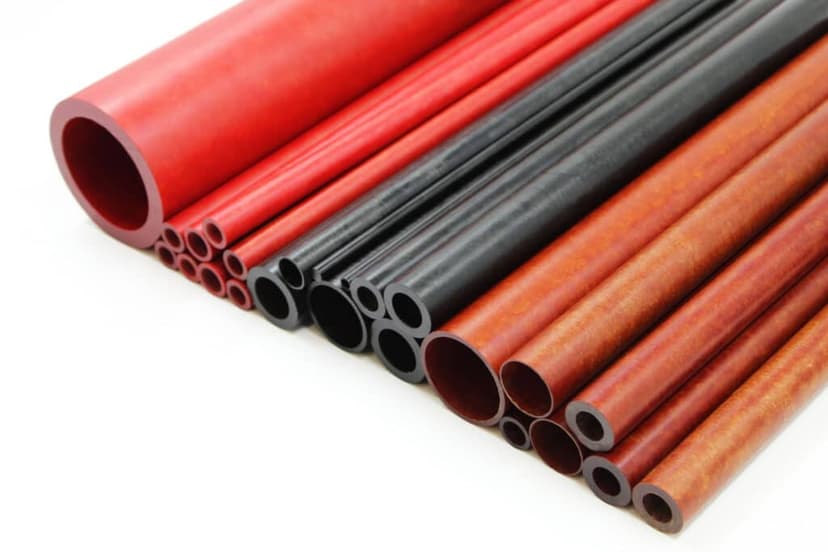
- Natural
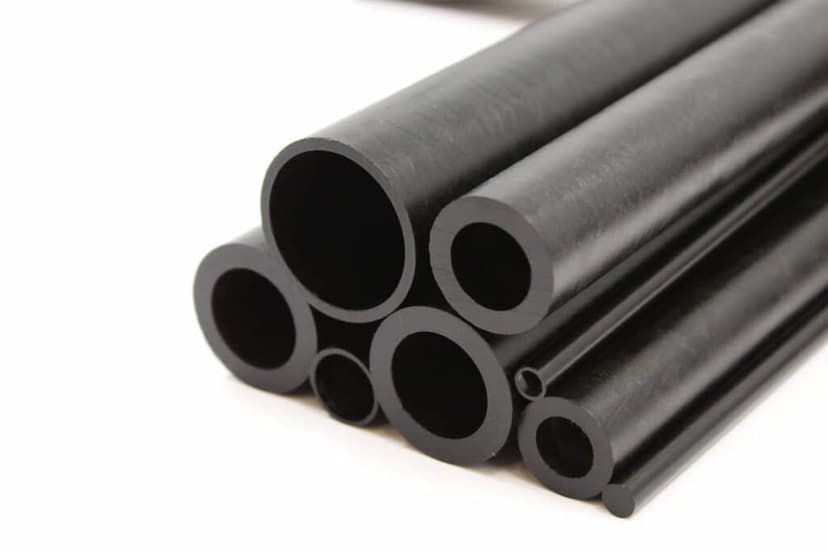
- Black
- Red (FR2)
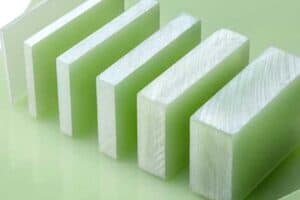
- Green
- Good dielectric strength
- Low moisture absorption
- Moderate mechanical strength
- Moderate heat resistance
- Smooth machinability
- Excellent electrical insulation
- Electrical insulators
- Terminal boards
- Switch bases
- Arc barriers
- Coil forms
- Relays
Technical Data Sheet (TDS)
MIL-I-24768/10
MIL-I-24768/11
MIL-I-24768/12
Phenolic Paper Grades were developed to provide reliable insulation and machinability for industries needing materials with excellent electrical properties and smooth finish. Constructed from high-quality paper impregnated with phenolic resin, these grades offer consistent dielectric strength and low moisture absorption, making them ideal for electrical and mechanical components. Over time, Phenolic Paper Grades have become trusted materials in fields such as electronics, electrical manufacturing, and power distribution, where insulation and arc resistance are critical. Today, they are valued for their economical and effective solutions in applications requiring dependable insulation and precise fabrication.
FAQs
What types of Paper products does Current make?
Current manufactures NEMA grade Paper products. These materials can be fabricated into tubes, rods, and sheets. They can also be machined into spacers, standoffs, and other parts. We can also design one specific to you based on your unique applications. Whatever your manufacturing or assembling needs, there’s a Current Inc. product that will improve your product for an affordable price. Our laminated sheets, standoffs, tubing, rod and spacers are created with precision in mind.
How do I start an order?
To start an order, go to our Contact page and fill out a form detailing your interests. This will be received by us, and we will coordinate with you to complete the order. Alternatively, give us a call and we will be happy to work with you in that way as well. You can reach our main office at (203) 469-1337.
How long from placing an order can I expect to get my product?
Our lead times vary based on the market and on the products that you are interested in, but we typically deliver around 4-6 weeks or less from the order being placed, depending on the material we have in stock.
Read More From Our Blog

A Guide to Laminated Tubing & How to Order USA Made
Laminated tubing is made from thermosetting resins (phenolic, epoxy or melamine) combined with base materials such as cellulose paper, woven cotton cloth or glass cloth.
more »
How Composites and Laminates are Used in the Knife & Weapon Industry
Knife and weapon handles have to be tough, stable, grippy and good-looking at the same time, and composite laminates do all four better than most natural materials.
more »
How Composites and Laminates are Used in the Marine Industry
Boats are hard on materials. Salt water corrodes metal, wood swells and rots, and everything on board takes vibration, UV and constant wetting.
more »