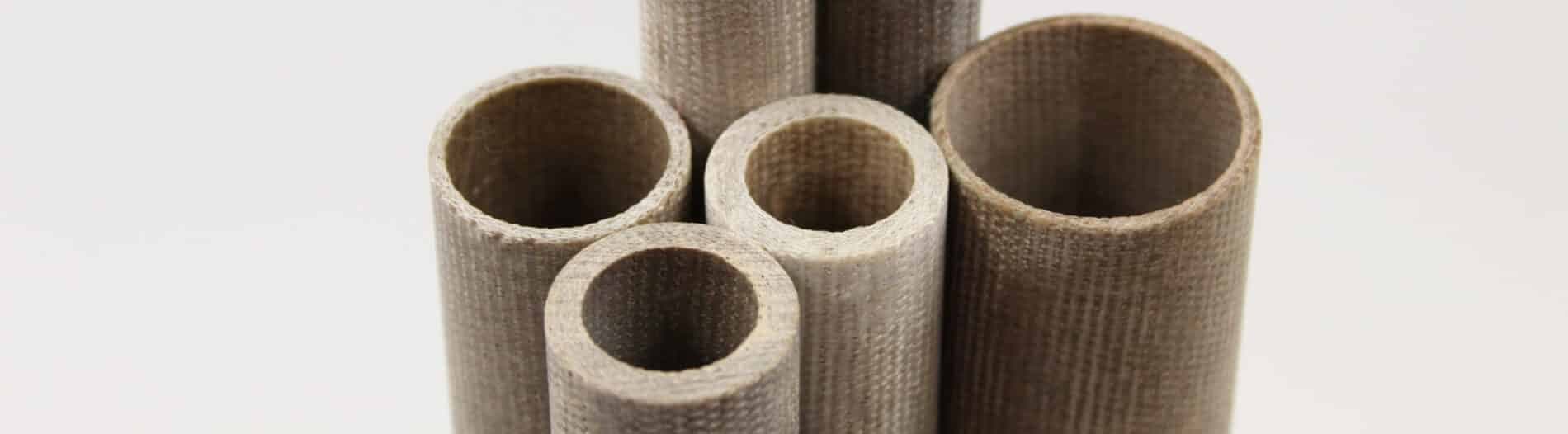
G5/G9
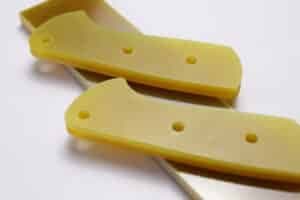
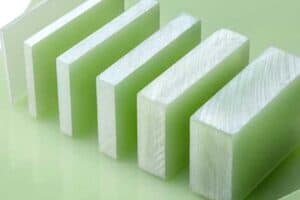
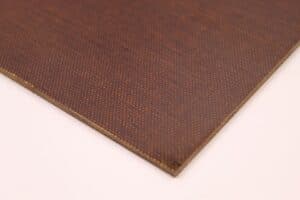
G5/G9 Glass Melamine Grades are ideal for applications that require high electrical insulation, excellent mechanical strength, and superior heat resistance. Composed of a glass cloth base impregnated with melamine resin, these grades offer exceptional dielectric properties and low moisture absorption, making them particularly suitable for high-temperature and high-voltage environments. Their strong, durable structure ensures reliable performance, making G5/G9 grades a preferred choice for demanding applications requiring effective insulation, stability, and durability.
Material Characteristics and Performance
G5 and G9 laminates share a similar construction but differ in their performance under heat and electrical stress. G5 offers strong mechanical properties, reliable insulation, and moderate heat resistance, making it suitable for structural supports and electrical components. G9 provides enhanced arc resistance and improved thermal endurance, allowing it to perform well in high voltage equipment, power distribution systems, and assemblies exposed to elevated temperatures.
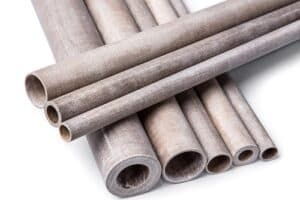
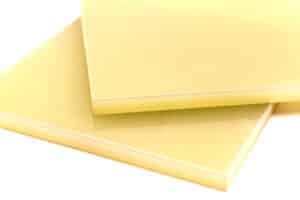
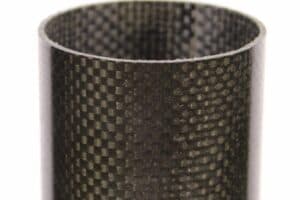
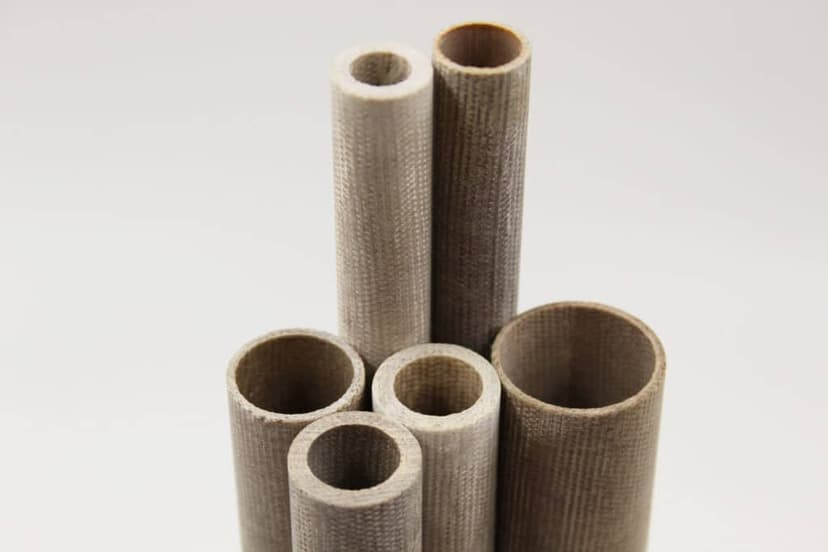
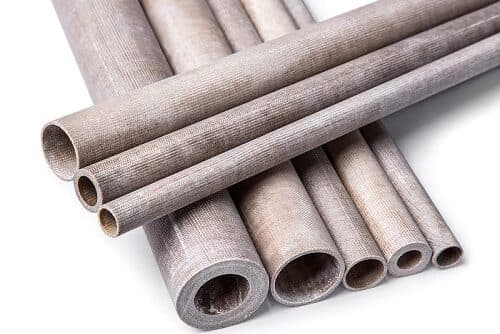
Current, Inc. offers G5/G9 in standard sheet sizes of 36″ × 48″ and 48″ × 96″, with thicknesses ranging from 0.015″ to 3.000″. Tubing is available with inside diameters from 0.375″ to 4.000″ and outside diameters from 0.437″ to 5.000″. Sanded surfaces can be provided to support bonding, machining, or secondary finishing operations.
Fabrication Support for Industrial Applications
G5 and G9 are commonly machined into insulators, spacers, terminal boards, structural supports, and electrical components. Current, Inc. provides routing, drilling, turning, and shaping services to deliver parts that meet precise dimensional requirements. Our fabrication capabilities support prototype quantities, low volume runs, and production scale orders, ensuring consistent tolerances and repeatable performance across multiple builds.
Applications Across Multiple Industries
G5/G9 laminates are used in switchgear, transformers, industrial control systems, power distribution equipment, and high temperature electrical assemblies. Their combination of strength, insulation stability, and arc resistance makes them suitable for environments where materials must maintain performance under electrical and thermal stress.
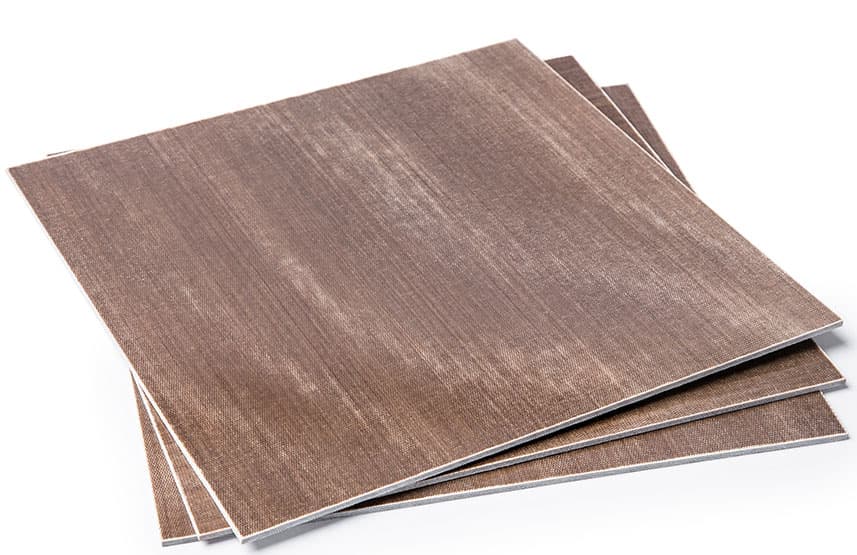
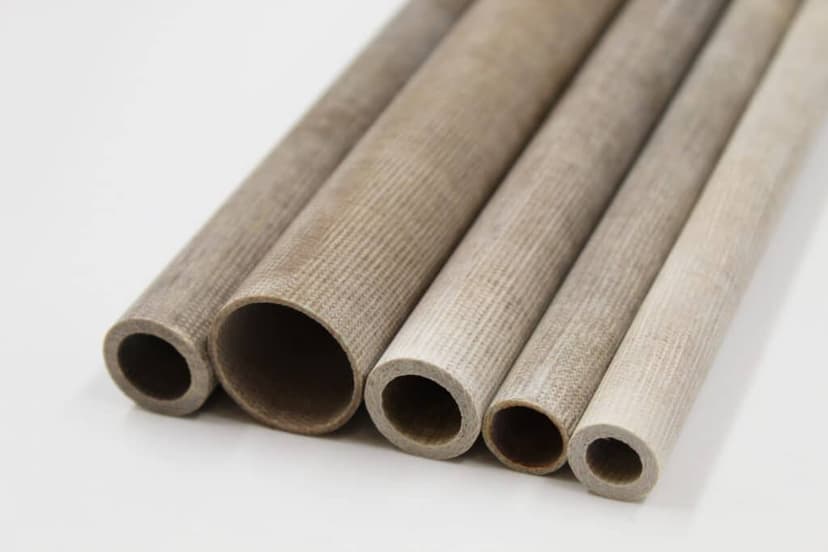
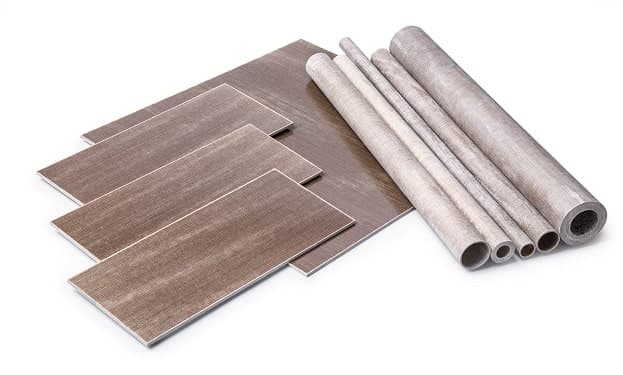
G5 and G9
What’s the difference?
G5: Known for excellent mechanical strength, electrical insulation, and moderate heat resistance. G5 is commonly used in electrical and mechanical applications where high insulation and structural support are needed, but it has somewhat lower arc resistance than G9.
G9: Similar to G5 in terms of strength and insulation properties, but offers greater arc resistance and higher heat tolerance. This makes G9 better suited for applications exposed to high temperatures and potential arcing, such as high-voltage electrical equipment and industrial power distribution components.
Dimensions:
Sheet:
36″x48″
48″x96″
Cut to size available
Saw Kerf – 0.250″
Thickness:
0.015″- 3.000″
(Additional thicknesses available upon request)
Sanding:
1 or 2 side sanding with tolerance of +/-0.005″
Tube:
ID: 0.375″ – 4.000″
OD: 0.437″-5.000″
- Natural
- High mechanical strength
- Excellent electrical insulation
- Moderate to high heat resistance (higher in G9)
- Good arc resistance (superior in G9)
- Low moisture absorption
- Chemical resistance
- Stable under high temperatures
- High-voltage insulators
- Switchgear components
- Arc barriers
- Terminal boards
- Coil supports
- Structural spacers
- Industrial power distribution parts
- Transformer supports
Technical Data Sheet (TDS)
MIL-I-24768/01
MIL-I-24768/08
G5 and G9 Glass Melamine Grades were developed to provide robust insulation, mechanical strength, and heat resistance for industries requiring materials that perform reliably under demanding conditions. Constructed from high-quality glass cloth impregnated with melamine resin, these grades offer superior dielectric properties, low moisture absorption, and impressive arc resistance, making them ideal for high-voltage and high-temperature applications. Over time, G5 and G9 have become trusted materials in fields such as electrical manufacturing, power distribution, and industrial equipment, where durability and stability are paramount. Today, they are valued for their dependable performance in challenging applications requiring strong insulation, stability, and resistance to heat and arcing.
FAQs
What types of G5/G9 products does Current make?
Current manufactures NEMA grade G5/G9 products. These materials can be fabricated into tubes, rods, and sheets. They can also be machined into spacers, standoffs, and other parts. We can also design one specific to you based on your unique applications. Whatever your manufacturing or assembling needs, there’s a Current Inc. product that will improve your product for an affordable price. Our laminated sheets, standoffs, tubing, rod and spacers are created with precision in mind.
How do I start an order?
To start an order, go to our Contact page and fill out a form detailing your interests. This will be received by us, and we will coordinate with you to complete the order. Alternatively, give us a call and we will be happy to work with you in that way as well. You can reach our main office at (203) 469-1337.
How long from placing an order can I expect to get my product?
Our lead times vary based on the market and on the products that you are interested in, but we typically deliver around 4-6 weeks or less from the order being placed, depending on the material we have in stock.
Read More From Our Blog

A Guide to Laminated Tubing & How to Order USA Made
Laminated tubing is made from thermosetting resins (phenolic, epoxy or melamine) combined with base materials such as cellulose paper, woven cotton cloth or glass cloth.
more »
How Composites and Laminates are Used in the Knife & Weapon Industry
Knife and weapon handles have to be tough, stable, grippy and good-looking at the same time, and composite laminates do all four better than most natural materials.
more »
How Composites and Laminates are Used in the Marine Industry
Boats are hard on materials. Salt water corrodes metal, wood swells and rots, and everything on board takes vibration, UV and constant wetting.
more »